Ensuring Excellence in Medical Diagnostics: The Critical Role of MRI Equipment Service in Healthcare
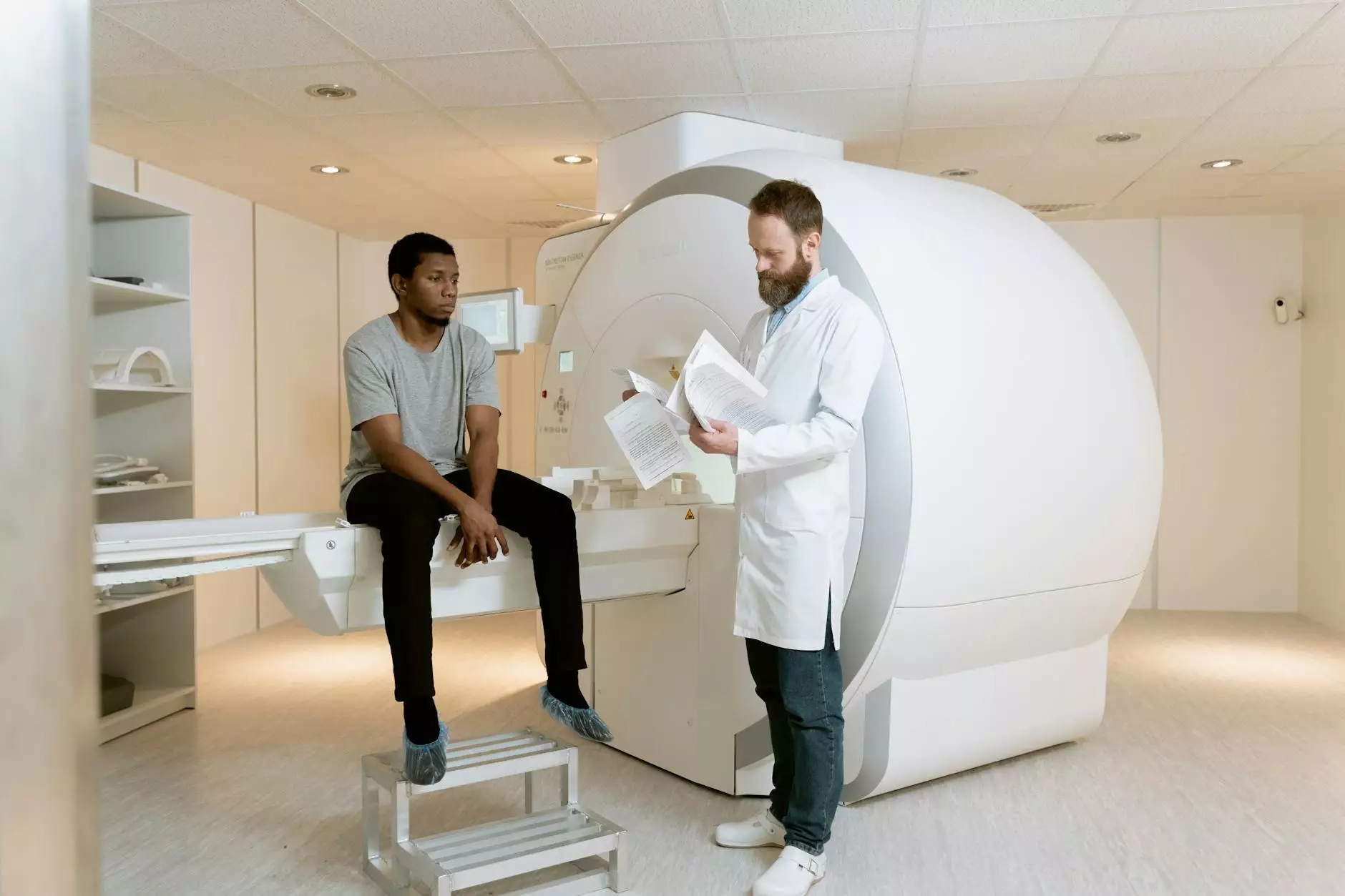
Healthcare facilities around the globe rely heavily on advanced imaging technologies, particularly Magnetic Resonance Imaging (MRI) scanners, to provide accurate and non-invasive diagnosis for a plethora of medical conditions. As a cornerstone in Medical Centers and diagnostic services, the reliability and performance of MRI equipment directly influence patient outcomes, operational efficiency, and healthcare quality. In this comprehensive guide, we delve deep into the essentials of mri equipment service, its benefits, challenges, and how specialized service providers like echomagnetservices.com ensure that MRI machines operate at peak performance.
Why MRI Equipment Service Is a Vital Component of Modern Healthcare
Modern medical diagnostic workflows depend on the consistent, high-quality operation of MRI scanners. These sophisticated devices utilize powerful magnetic fields and radio waves to generate detailed images of the internal body structures, supporting the diagnosis of diseases such as tumors, neurological conditions, musculoskeletal injuries, and cardiovascular anomalies.
However, despite their advanced technology, MRI machines are complex instruments that require meticulous maintenance to sustain their precision and safety standards. MRI equipment service is not just about repairs; it encompasses preventive maintenance, calibration, compliance checks, and system upgrades that collectively guarantee the device’s accuracy, longevity, and safety. In the absence of proper service, MRI scanners risk downtime, degraded image quality, or even safety hazards, which can compromise patient care and inflate operational costs.
The Core Components of MRI Equipment Service
1. Preventive Maintenance
Regular preventive maintenance ensures that all components of the MRI system function optimally. Skilled technicians conduct routine inspections, cleaning, and testing to identify potential issues before they escalate into costly repairs or failures.
2. Calibration and Testing
Precise calibration is essential for delivering accurate diagnostic images. Calibration procedures involve adjusting magnetic field homogeneity, radiofrequency (RF) systems, and image quality parameters to meet manufacturer specifications and regulatory standards.
3. System Repairs and Replacements
When components such as gradient coils, RF coils, or power supplies fail or perform outside acceptable ranges, specialized repairs or part replacements are mandatory. The goal is swift turnaround to minimize downtime and disruption to patient scheduling.
4. Software Updates & Upgrades
Technological advancements require continuous software enhancements to improve image processing speed, features, and security. Routine updates help maintain compliance with evolving healthcare regulations and ensure compatibility with new diagnostic protocols.
5. Compliance and Safety Inspections
Ensuring safety compliance by inspecting electromagnetic emissions, cryogen levels, shielding, and electrical safety standards protects patients and staff while adhering to governmental regulations.
Benefits of Professional MRI Equipment Service for Healthcare Facilities
- Enhanced Diagnostic Accuracy: Well-maintained MRI systems produce clearer images, facilitating precise diagnoses which are critical for effective treatment planning.
- Increased Equipment Longevity: Routine service extends the lifespan of MRI machines, protecting your investment and reducing the need for costly replacements.
- Operational Efficiency: Minimized downtime ensures higher patient throughput and improved scheduling, leading to increased revenue and better patient satisfaction.
- Patient Safety: Regular safety checks mitigate risks associated with magnetic field exposure, cryogen leaks, or electrical hazards, ensuring a safe environment for patients and staff.
- Regulatory Compliance: Professional services help healthcare providers align with industry standards such as FDA, JCAHO, and other local regulations, avoiding penalties and legal issues.
The Role of Expertise in MRI Equipment Service and Maintenance
Effective mri equipment service hinges on highly trained technicians with specialized knowledge of MRI systems. Manufacturers like Siemens, GE, Philips, and Canon impose strict guidelines for maintenance procedures, which only certified professionals can perform reliably and safely. Investing in experienced service providers guarantees comprehensive assessments, precise calibration, and adherence to safety and quality standards.
Choosing the Right MRI Service Partner in the Healthcare Industry
Given the complexity and importance of MRI systems, selecting a reputable service provider is crucial. Top-tier providers, such as echomagnetservices.com, possess:
- Certified Technical Expertise: Certified technicians with extensive experience across various MRI brands and models.
- Rapid Response Times: 24/7 availability to minimize downtime during emergencies or scheduled maintenance.
- Comprehensive Service Offerings: From preventive maintenance to emergency repairs, system upgrades, and calibration services.
- Customized Maintenance Programs: Service plans tailored to the specific needs and usage patterns of each healthcare facility.
- Compliance and Safety Focus: Commitment to meet all regulatory standards, safeguarding patients and staff safety.
Advanced Technologies and Innovations in MRI Service
New innovations continue to transform MRI technology, demanding service providers stay ahead with the latest knowledge and tools. These advancements include:
- Artificial Intelligence (AI) Integration: Software enhancements employing AI to improve image quality, speed, and diagnostic accuracy.
- High-Field MRI Scanners: The growing adoption of 7T and higher field strength MRI systems requires specialized calibration and maintenance techniques.
- Cryogenic System Optimization: Cryogens like liquid helium need strict monitoring and management to ensure magnet stability and safety.
- Remote Diagnostics & Monitoring: Connected systems enable real-time monitoring, predictive maintenance, and remote troubleshooting, reducing costs and downtime.
Challenges in Maintaining MRI Equipment and How to Overcome Them
1. Complexity of Systems
Modern MRI systems are highly sophisticated, requiring specialized knowledge for maintenance, calibration, and repair. To overcome this, healthcare facilities should partner with certified technicians trained directly by manufacturers.
2. Rapid Technological Evolution
The fast pace of technological change demands continuous staff training and service provider updates. Investing in ongoing education ensures the maintenance team keeps up with innovations.
3. Downtime Management
Equipment failure can lead to delays in diagnosis and treatment. Establishing service agreements with reliable providers like echomagnetservices.com helps ensure rapid response and minimal disruptions.
4. Budget Constraints
Maintaining high-performance MRI systems requires investment. Prioritizing preventive maintenance and choosing flexible service plans can optimize costs while preserving system integrity.
Conclusion: The Future of MRI Equipment Service in Healthcare
As healthcare continues to evolve towards more advanced, patient-centric models, the significance of mri equipment service cannot be overstated. High-quality, reliable service guarantees that MRI systems deliver precise images, operate safely, and remain compliant with evolving regulations. Partnering with specialized providers like echomagnetservices.com ensures continuous excellence in diagnostic imaging and solidifies a healthcare facility’s reputation for superior patient care.
Embracing technological advances, investing in skilled expertise, and maintaining rigorous service standards will define the success of healthcare institutions in leveraging MRI technology to improve lives. The continued focus on mri equipment service is not merely a technical necessity but a strategic pillar that elevates the entire healthcare ecosystem toward greater efficiency, safety, and diagnostic precision.